
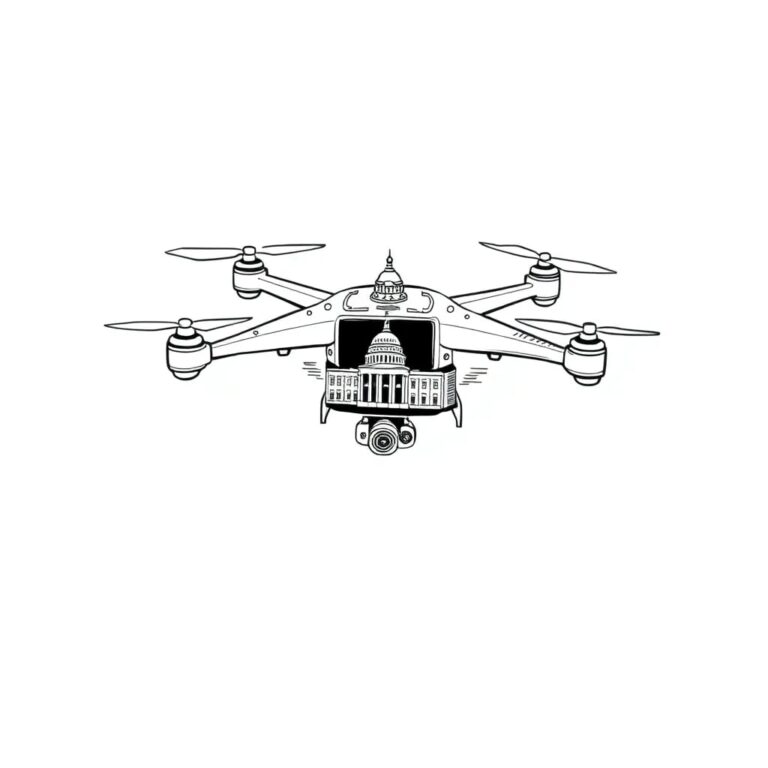
Utah’s Unique Approach to AI Regulation
Utah may have successfully influenced the Trump administration with its distinct strategy for regulating artificial intelligence (AI). During discussions with the Deseret News/KSL Editorial Board, Utah Senate President Stuart Adams conveyed that state lawmakers managed to convince White House officials to allow Utah’s AI policies to remain intact. This development has sparked the possibility that Congress could adopt a similar approach.
The Balancing Act of Innovation and Regulation
Adams emphasized that Utah’s method strikes a balance between rapid technological advancement and necessary regulation. “When we showed them that we have a way to allow AI technology to move very rapidly, but embed in it a regulatory scheme, it started to make sense to them that, ‘Hold on a minute, you can do both,’” he stated.
In December, President Donald Trump signed an executive order aimed at addressing the chaotic landscape of state AI laws by forming an AI litigation task force and restricting broadband funding for states with overly burdensome regulations. This raised concerns among Utah lawmakers, including Rep. Doug Fiefia, a former Google employee, who worried that the order might undermine the state’s progressive AI regulations designed to protect consumers while fostering innovation.
Legislative Milestones in Utah
In 2023, Utah enacted pioneering legislation to establish a state AI policy lab, which gained international recognition for providing liability protections for AI companies. This initiative allows the state to collaborate with these companies to develop pro-growth AI regulations.
During the most recent legislative session, Utah lawmakers implemented several important measures:
- Guardrails on AI Chatbots: Restrictions were placed on the use of AI chatbots for mental health treatment.
- Prohibitions on AI Abuse: Expanded bans on the misuse of personal identity through AI.
- Disclosure Requirements: New obligations for businesses utilizing AI technologies.
Shifts in Federal Perspective
Initially, Utah lawmakers feared that Trump’s executive order could challenge Utah’s laws through court actions, potentially leaving the state with minimal regulations on rapidly evolving AI technologies. However, Adams noted that Utah’s legislative framework appears to be secure for the time being. “I think they backed away because of what we’re doing,” he explained, adding, “We’ve come up with a better way. And then they started to say, ‘Well, maybe that isn’t such a good idea for us to take control.’”
This agreement for Utah to continue with its existing AI policies emerged after extensive discussions between Utah legislative leaders and individuals within the White House. Adams remarked, “I think they started listening.”
Future Implications for AI Regulation
In a separate interview, Rep. Fiefia echoed Adams’ sentiments regarding the Trump administration’s evolving view of Utah’s AI policy. “We’re focused on protecting residents in narrow, high-risk areas, while encouraging innovation,” Fiefia stated. “That kind of balance is exactly what allows states and the federal government to stay aligned. And I believe that the administration recognizes that Utah is doing exactly that.”
Fiefia also predicted that Utah’s legislative initiatives regarding AI could soon be integrated into a federal framework, further reinforcing the state’s role as a pioneer in AI regulation.







