
‘Self-Inflicted Injury,’ Trump’s AI Czar Warns As ‘1,200 Different AI Laws’ Could Cost The U.S. The Global AI Race
America could be tripping itself in the global artificial intelligence sprint. White House AI and crypto czar David Sacks expressed concerns about the potential for a self-inflicted injury to the U.S. AI industry, emphasizing that excessive caution in policy-making could hinder progress.
Concerns Raised at the World Economic Forum
Speaking at the World Economic Forum in Davos, Switzerland, Sacks highlighted the importance of practical AI tools in boosting public confidence. He warned that domestic policy decisions could pose a greater risk to U.S. leadership in AI than foreign competition.
State AI Bills and Fragmented Regulation
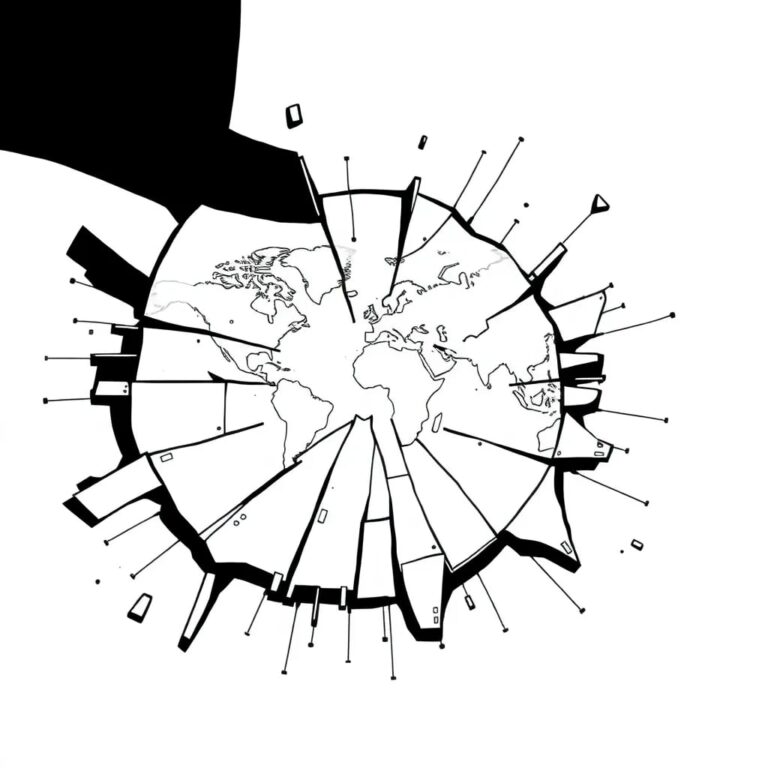
Sacks pointed out that the U.S. is currently facing a fragmented regulatory landscape with 1,200 bills related to AI being considered across various state legislatures. He stated, “We have 50 different states running in 50 different directions wanting to regulate AI themselves,” which could significantly impact startups and early-stage companies, making compliance more complex.
He stressed that one of the U.S.’s historical advantages has been a unified national market, allowing companies to navigate a single federal framework. However, the proliferation of state-level regulations could stifle innovation and hinder market entry for new companies.
Speed, Culture, and Federal Direction
Sacks connected these regulatory concerns to President Donald Trump’s approach to technology policy, which favors rapid action and innovation led by entrepreneurs rather than government agencies. He also noted the cultural divide between Silicon Valley and Washington, with the tech sector advocating for speed and risk-taking, while policymakers often focus on control and process.
Global Competition and Public Attitudes
Beyond regulation, Sacks discussed the differing public perceptions of AI. According to research from the Stanford Institute for Human-Centered Artificial Intelligence, only 39% of Americans believe that AI’s benefits outweigh its risks, compared to 83% in China. This disparity in optimism comes as China continues to advance its AI capabilities, narrowing the gap with U.S. systems.
While Sacks acknowledged that the U.S. still leads in certain areas such as models and chips, he cautioned that pessimism-driven decisions, like restrictive regulations or limits on data center construction, could weaken this position.
“I hope that people will become a little bit more optimistic about this industry,” Sacks concluded, urging a more positive view toward the future of AI.







