
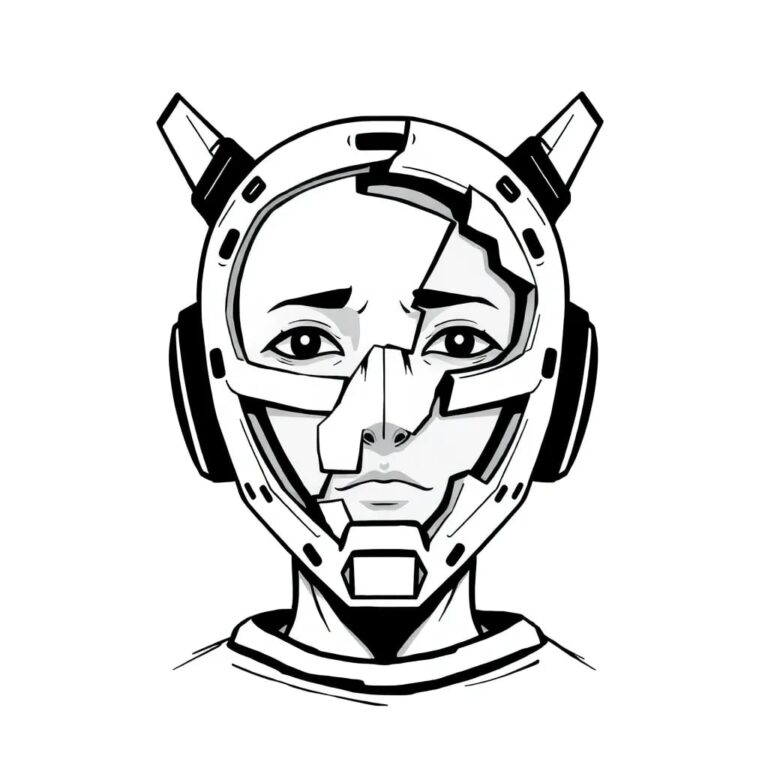
Urgent Need for Federal Legislation Against AI Impersonation
The emergence of advanced AI technologies has raised significant ethical and security concerns. In a recent discussion surrounding the imperative need for federal legislation, the topic of AI impersonation has taken center stage. This call to action is driven by the alarming capabilities of deepfake technology and AI systems that can convincingly mimic human appearances and voices.
The Context of AI Impersonation
In May 2023, philosopher Daniel Dennett published a manuscript titled “Counterfeit People” in The Atlantic, highlighting the risks associated with the creation and dissemination of AI-generated representations of real individuals. The urgency of his message has amplified significantly over the past three years, as technological advancements have outpaced regulatory efforts.
Deepfake Technology: A Growing Concern
Recent developments in deepfake technology illustrate the potential for misuse. With sufficient data, anyone’s appearance can be convincingly faked at minimal cost. This capability poses severe threats, especially as scammers have begun to adopt these tools. For instance, a report surfaced about a Canadian individual who lost hundreds of thousands of dollars due to a deepfaked video of a well-known figure, Mark Carney.
As we approach 2026, it is predicted that the number of deepfaked scams will exceed all previous instances combined, calling for immediate legislative action.
The Call for Federal Legislation
It is crucial for representatives to act swiftly to enact federal laws that prohibit machine output from being presented as human. Key recommendations include:
- No use of the first person by chatbots.
- No deepfakes of living people’s voices and images without their explicit consent, except for clear cases of parody.
This legislative action is vital to prevent corporate lobbyists from undermining efforts to regulate AI technologies effectively.
Challenges and Implications
While generative AI systems may currently struggle with reasoning, their ability to mimic human behavior has reached a critical point. The implications of this technology extend beyond just scams; they threaten the very fabric of trust in communication and information dissemination.
Conclusion
As some state laws attempt to tackle the challenges posed by AI impersonation, the federal government must not hinder these efforts. The time for action is now. The risks associated with AI impersonation cannot be overstated, and the need for comprehensive regulation is more urgent than ever.







