
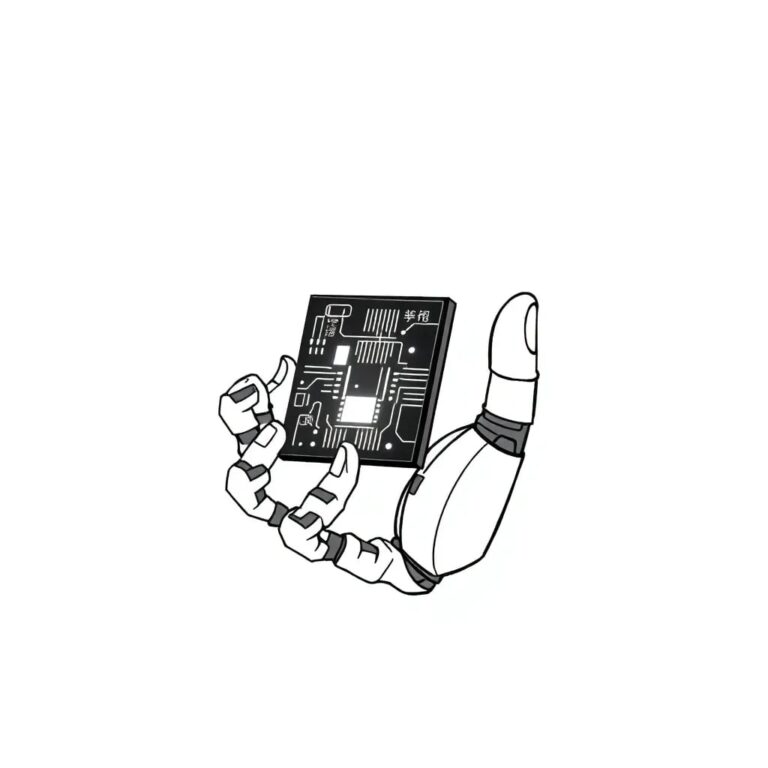
The AI-Driven Evolution of Robotics
Robotics and artificial intelligence are converging at an unprecedented pace. As robotics systems increasingly integrate AI-driven decision-making, businesses are unlocking new efficiencies and capabilities across various industries, including manufacturing, logistics, healthcare, and real estate.
However, this convergence introduces complex legal and regulatory challenges. Companies deploying AI-enabled robotics must navigate issues related to data privacy, intellectual property, workplace safety, liability, and compliance with emerging AI governance frameworks.
The Shift: Robotics as an AI Subset
Traditionally, robotics was viewed as a standalone discipline focused on mechanical automation. Today, robotics is increasingly powered by machine learning algorithms, natural language processing, and predictive analytics—hallmarks of AI technology.
This evolution raises critical questions for legal teams:
- Who owns the data generated by AI-enabled robots?
- How do we allocate liability when autonomous systems make decisions without human intervention?
- What contractual safeguards should be in place when outsourcing robotics solutions to third-party vendors?
As robotics increasingly incorporates AI functionality, traditional contract structures for hardware procurement and service agreements require significant updates. This evolution introduces new risk categories that must be addressed through precise drafting and negotiation.
Contractual Drafting Considerations
Scope of Services and Functionality
Contracts should clearly define the AI capabilities embedded in robotics systems, including decision-making autonomy, data processing functions, and predictive analytics. Ambiguity in scope can lead to disputes over performance obligations and liability.
Performance Standards and Service Levels
Traditional SLAs focus on uptime and maintenance. For AI-enabled systems, SLAs should also address algorithm accuracy, model updates, and compliance with ethical AI and safety standards.
Transparency and Audit Rights
AI-driven robotics often rely on third-party data sources and subprocessors. Vendor agreements should grant audit rights to review compliance with data privacy laws and AI governance frameworks. Failure to secure transparency can expose companies to regulatory penalties under GDPR, CCPA, or the EU AI Act.
Subprocessor Approval
Require vendors to disclose all subprocessors and obtain prior written consent for changes. This is critical when vendors use major cloud providers for AI hosting. AI robotics solutions frequently depend on third-party providers for data storage, model training, analytics, or API services.
Risk Allocation
Liability for Autonomous Decisions
Traditional product liability frameworks assume human control. AI-driven robotics introduces scenarios where decisions are made without human intervention. This shift raises not only questions of fault allocation but also safety concerns.
Contracts should allocate liability for errors caused by autonomous decision-making and address safety obligations, including requirements for human-in-the-loop or human-on-the-loop controls, system monitoring, fail-safe mechanisms, and prompt remediation when safety-critical defects are identified.
Indemnification for Regulatory Non-Compliance
Vendors should indemnify the company for fines or claims arising from failure to comply with AI-specific regulations or data protection laws.
Limitation of Liability
Consider whether standard caps are sufficient given the potential scale of harm from autonomous systems. Companies should develop an internal framework defining what it considers “high-risk” AI and clearly communicate these classifications across teams.
Key Legal Risks and Considerations
Data Privacy and Security
AI-driven robotics often rely on vast amounts of data, including personal or sensitive information. This creates heightened exposure under privacy laws such as GDPR and CCPA.
Intellectual Property Ownership
As robotics systems become more autonomous, they may generate new inventions or processes. Determining IP ownership remains a gray area.
Product Liability and Autonomous Decision-Making
When a robot powered by AI makes an error that causes harm, determining responsibility is complex.
Compliance with AI Governance Frameworks
Governments worldwide are introducing AI-specific regulations, which may trigger strict compliance obligations.
Practical Steps for Businesses
To manage these risks, companies should:
- Clearly analyze, define, and communicate risk tolerance to stakeholders.
- Conduct AI impact assessments before deploying robotics solutions.
- Implement robust data governance and cybersecurity measures.
- Negotiate clear contractual terms that address intellectual property, liability allocation, and compliance.
- Stay informed on evolving AI regulations and industry standards.
How Legal Teams Can Partner with Business Units
The integration of AI into robotics is an enterprise-wide initiative. Legal departments can play a proactive role by embedding compliance and risk mitigation strategies into business processes:
- Develop AI Vendor Due Diligence Checklists for procurement teams.
- Create AI-Specific Contract Templates to streamline negotiations.
- Collaborate on Cross-Functional Risk Assessments.
- Establish Governance Committees to monitor AI performance.
- Provide Training and Awareness Programs for business units.
By embedding legal considerations into procurement, contracting, and operational workflows, organizations can reduce risk while enabling innovation. Legal teams should position themselves as strategic partners that help business units deploy AI-enabled robotics responsibly and efficiently.
Conclusion
The integration of AI into robotics offers transformative potential but also significant legal complexity. By proactively addressing privacy, intellectual property, liability, and compliance risks, businesses can harness these technologies responsibly and sustainably.







