
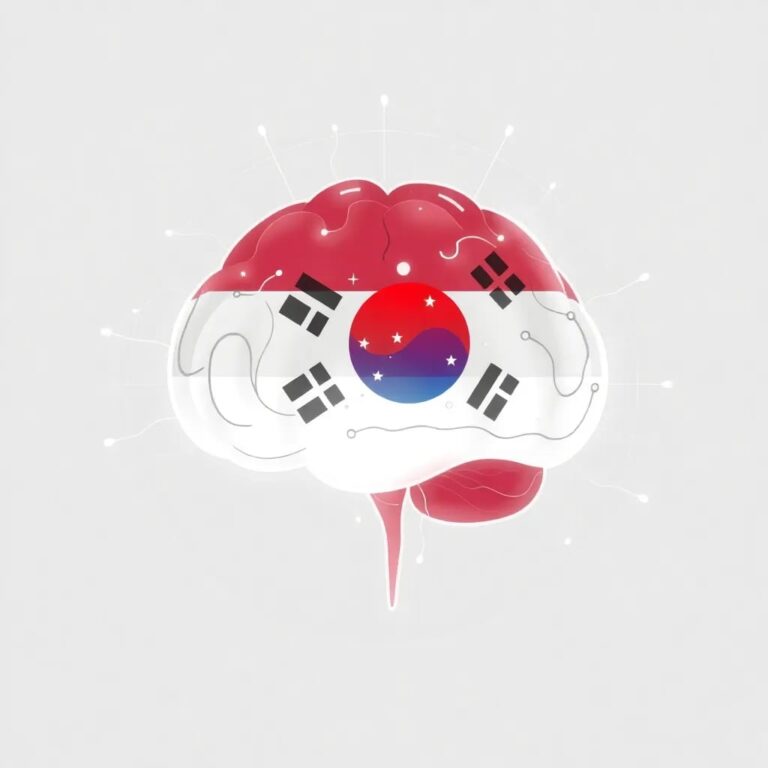
South Korea Enacts Global Milestone of AI Safety Laws Including Coverage of Mental Health Impacts
In a significant move, South Korea has enacted the AI Basic Act, a comprehensive set of laws aimed at regulating artificial intelligence (AI) in the country. Officially established on January 22, 2026, this legislation marks a pivotal point as the first country-wide regulatory framework for AI, focusing on safety and trustworthiness.
Overview of the AI Basic Act
The AI Basic Act, formally known as the Basic Act on the Development of Artificial Intelligence and the Establishment of a Foundation for Trustworthiness, aims to protect the rights and interests of individuals while enhancing national competitiveness. This aligns with similar initiatives globally, such as the EU AI Act, but has distinct differences, particularly in its approach to mental health.
Key Provisions
The Act emphasizes AI safety, especially concerning generative AI and large language models (LLMs). It includes provisions related to deepfakes and the spread of misinformation, while also addressing mental health impacts, albeit with modest coverage compared to state-level laws in the United States.
Legal Duties Under the AI Basic Act
The Act establishes four primary legal duties:
- Enhancement of Safety and Trustworthiness: AI technology and the industry must develop in a way that improves the quality of life.
- Right to Explanation: Affected individuals have the right to receive clear explanations regarding AI outcomes.
- Government Support: National and local governments must respect the autonomy of AI business operators and foster a safe AI environment.
- Promotion of AI Utilization: Governments should promote the introduction and expansion of AI in various sectors.
AI and Mental Health Provisions
The provisions addressing mental health are notably sparse. Article 27 mentions the potential establishment of AI ethics principles, which may cover:
- Safety and trustworthiness in AI to prevent harm to human life and mental health.
- Accessibility of AI products and services.
- Utilization of AI to contribute positively to human well-being.
However, the vagueness of these provisions raises concerns about their effectiveness in safeguarding individuals against negative mental health impacts stemming from AI use.
Implementation and Oversight
The Act mandates the creation of a National AI Committee to oversee the implementation of the law, ensuring that policies adapt to the rapidly evolving AI landscape. A review of the law will take place every three years, allowing for adjustments based on technological advancements.
The Bigger Picture
The enactment of the AI Basic Act represents a dual-edged sword. On one side, it contains a comprehensive outline of AI regulations, yet it lacks specificity that could lead to confusion and legal ambiguities. The definition of High-Impact AI is particularly convoluted, potentially leading to significant legal debates over its application.
As the global landscape evolves, it is crucial to monitor how these laws influence the development and deployment of AI technologies, especially concerning their impact on mental health. South Korea’s proactive approach may serve as a model for other nations grappling with similar challenges while also highlighting the need for precise and actionable regulations to safeguard societal well-being.







