
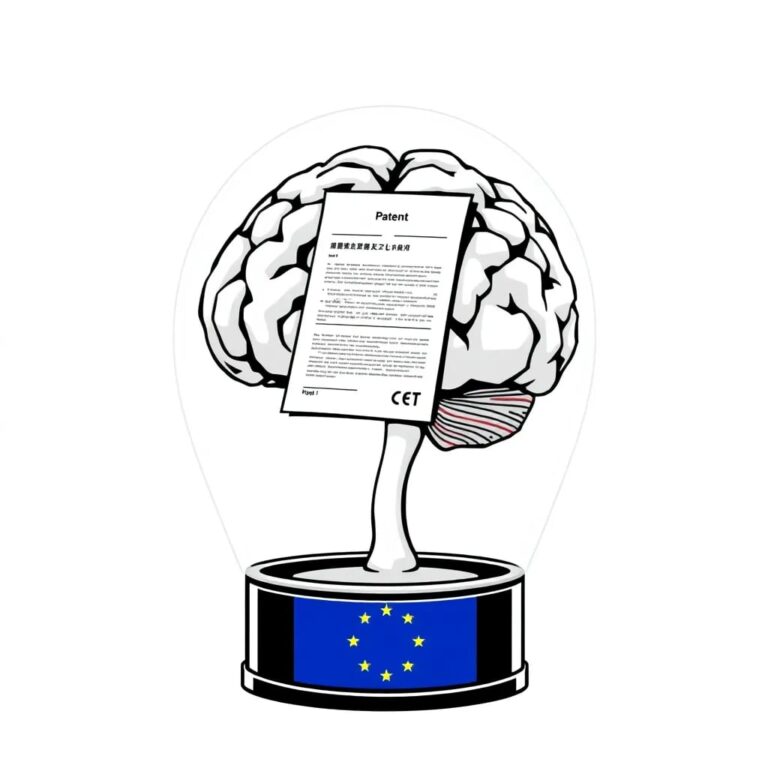
Impact of the EU AI Act on Patentability

Patentability Implications of the EU AI Act

Novelty is a core requirement for any invention to be patentable. Put simply, your invention generally cannot have been publicly disclosed before the patent application’s effective filing date. In the United States, 35 U.S.C. § 102 includes a one-year grace period for certain public disclosures made before you file—many other jurisdictions do not have this grace period. Europe, for example, generally applies an absolute novelty standard, where your invention can be barred from patentability if you publicly disclose first and file later.

The Impact of the EU AI Act

This is where the EU AI Act can create an unexpected patentability issue. The Act sets out a comprehensive framework for regulating AI and includes a mandatory registration requirement for AI systems considered high-risk. An AI system is considered high-risk when it relates to areas such as safety components, critical infrastructure, education, border control, and law enforcement.

Before a high-risk AI system can be placed on the market, the provider must register the system with the EU Commission and submit information about the system in a searchable and publicly accessible EU database. If the information submitted includes enabling technical details, that registration can function as a public disclosure and can block patentability in absolute novelty jurisdictions like Europe and China.

Strategic Considerations for Companies

Bottom line: if EU AI Act registration is on your roadmap, build IP planning into the timeline. Companies should consider preparing and filing patent applications at or before submitting information to the EU Commission, so their own disclosures do not become prior art against later-filed patent applications.


More Insights

Revolutionizing Drone Regulations: The EU AI Act Explained

The EU AI Act represents a significant regulatory framework that aims to address the challenges posed by artificial intelligence technologies in various sectors, including the burgeoning field of...

Revolutionizing Drone Regulations: The EU AI Act Explained

The EU AI Act represents a significant regulatory framework that aims to address the challenges posed by artificial intelligence technologies in various sectors, including the burgeoning field of...

Embracing Responsible AI to Mitigate Legal Risks

Businesses must prioritize responsible AI as a frontline defense against legal, financial, and reputational risks, particularly in understanding data lineage. Ignoring these responsibilities could...

AI Governance: Addressing the Shadow IT Challenge

AI tools are rapidly transforming workplace operations, but much of their adoption is happening without proper oversight, leading to the rise of shadow AI as a security concern. Organizations need to...

EU Delays AI Act Implementation to 2027 Amid Industry Pressure

The EU plans to delay the enforcement of high-risk duties in the AI Act until late 2027, allowing companies more time to comply with the regulations. However, this move has drawn criticism from rights...

White House Challenges GAIN AI Act Amid Nvidia Export Controversy

The White House is pushing back against the bipartisan GAIN AI Act, which aims to prioritize U.S. companies in acquiring advanced AI chips. This resistance reflects a strategic decision to maintain...

Experts Warn of EU AI Act’s Impact on Medtech Innovation

Experts at the 2025 European Digital Technology and Software conference expressed concerns that the EU AI Act could hinder the launch of new medtech products in the European market. They emphasized...

Ethical AI: Transforming Compliance into Innovation

Enterprises are racing to innovate with artificial intelligence, often without the proper compliance measures in place. By embedding privacy and ethics into the development lifecycle, organizations...

AI Hiring Compliance Risks Uncovered

Artificial intelligence is reshaping recruitment, with the percentage of HR leaders using generative AI increasing from 19% to 61% between 2023 and 2025. However, this efficiency comes with legal...





