
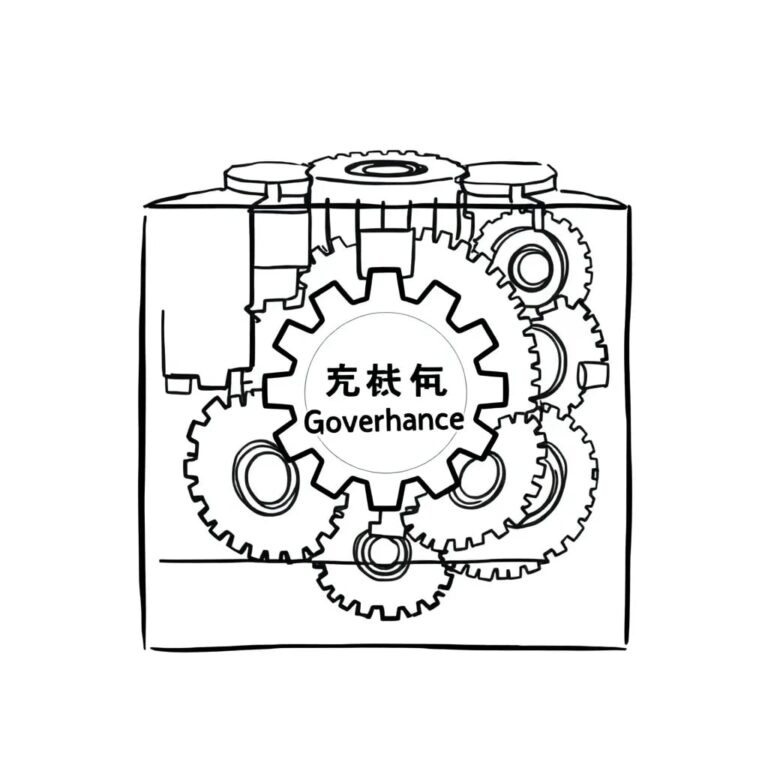
Syntes AI Says Governance, Not Models, Is a Primary Barrier to Scaling Enterprise AI
Syntes AI has identified a crucial insight regarding the challenges facing enterprise AI adoption: governance, rather than model performance, is the primary barrier to scaling AI solutions within organizations. Despite the increasing integration of AI copilots and analytics tools, many enterprises struggle to operationalize AI systems that adhere to requirements for traceability, oversight, and accountability.
The Importance of Governance in AI
As companies ramp up their investments in artificial intelligence, it has become evident that mere technical capability is insufficient for transitioning AI into full production. According to Syntes AI, governance has emerged as the dominant constraint on enterprise AI adoption.
Access to powerful AI models and tools has proliferated; however, most enterprise systems were not designed to support AI-driven decisions that must be explainable, auditable, and accountable. Consequently, organizations often find themselves stalled at the pilot stage, unable to deploy AI systems that can garner support from legal, compliance, security, and operational leaders.
The Voice of Experience
“Enterprises are not failing to adopt AI because the technology is immature,” stated Syntes AI’s Co-CEO. “They are failing because AI systems are being introduced without the governance structures required to trust them at scale. When AI begins to influence real decisions and outcomes, trust becomes the gating factor.”
Requirements for Effective AI Systems
AI systems must operate within clear requirements for:
- Data lineage
- Approval controls
- Auditability
- Human accountability
Without these capabilities, organizations are compelled to limit AI to advisory roles, even when more autonomous systems could significantly enhance operational value.
Identifying Governance Gaps
Syntes AI highlights several recurring governance gaps that hinder the scaling of enterprise AI:
- Opaque decision logic
- Disconnected data sources
- Insufficient oversight of automated actions
- Absence of reliable, system-level audit trails
These challenges become even more pronounced as organizations attempt to deploy AI agents that reason and operate across multiple enterprise systems.
Embedding Governance into AI Execution
Rather than treating governance as an external policy layer, Syntes AI advocates embedding it directly into the AI execution layer. This approach ensures that every AI-driven action is:
- Permissioned
- Traceable to source data
- Reviewable by humans
- Reversible when necessary
This allows teams to understand, control, and back AI-driven outcomes effectively.
Conclusion
As enterprises progress from experimentation to AI-driven execution, Syntes AI posits that governance will be the determining factor in which organizations succeed. AI adoption is no longer solely a question of capability; it has evolved into a matter of control, transparency, and trust.







