
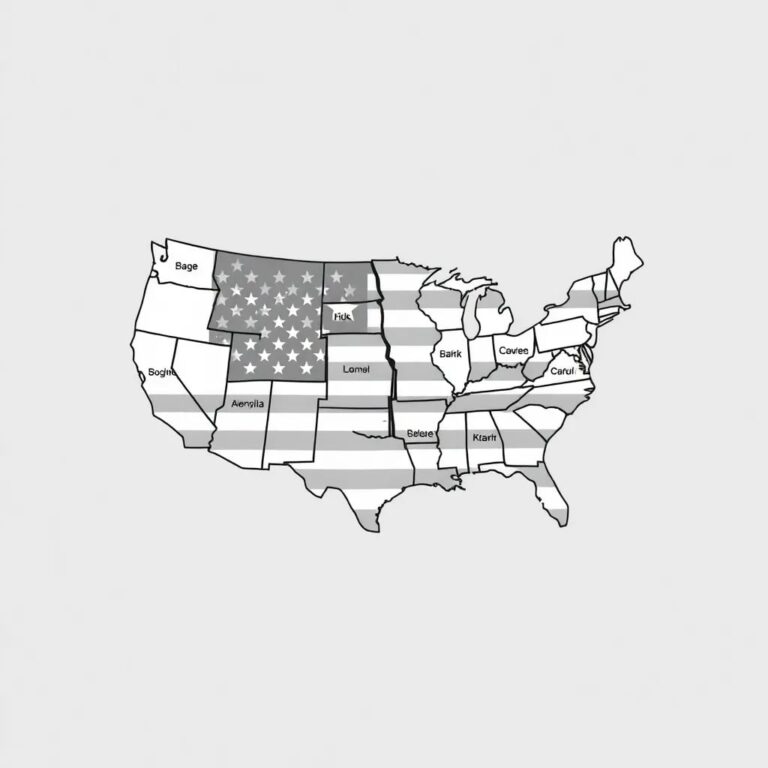
AI Policy Fragmentation Threatens U.S. Leadership
AI policy fragmentation is emerging as a critical risk for Washington. Without a federal standard, a patchwork of conflicting state‑level rules threatens to undermine American competitiveness.
Appian Corp.’s Role in Addressing the Gap
Process‑automation leader Appian Corp. is leveraging its experience across federal, state, and local agencies to bring expertise to the policy table. Joe Vidulich, head of government relations, highlighted the lack of understanding among policymakers about AI implementation, noting that “policy‑makers really don’t know a lot about how to implement it.”
The Core Problem: Structural Incoherence
With 50 states moving independently on AI legislation, Vidulich described the situation as “50 cooks and no recipe” and “50 musicians waiting at the bow of the stage ready to perform, but no conductor.” This structural incoherence creates a landscape of unaligned rules that could impede both technology companies and the broader civilization.
Speed of Adoption vs. Regulatory Lag
Chief information and technology officers are deploying AI at “light speed,” integrating it into thousands of legacy systems. Yet the White House’s call for streamlined AI procurement has not yet produced a comprehensive federal framework, leaving agencies without clear guardrails.
Risks of a Fragmented Regulatory Environment
Without a unified regulatory system, companies may face “so many rules out there that they’re not going to be talking to one another,” increasing legal uncertainty and potential misuse of AI. Vidulich warned that falling behind in this race puts organizations at their own peril.
Proposed Guardrails and Human Oversight
Appian advocates for human oversight and deterministic structures to ensure AI earns trust. Vidulich emphasized that “serious AI needs guardrails” and that a human must check AI systems to prevent unchecked autonomy.
Conclusion
The fragmentation of AI policy across the United States poses a significant threat to national competitiveness and societal safety. A coordinated federal standard, coupled with clear guardrails and human oversight, is essential to align state initiatives, protect innovation, and safeguard the nation’s technological leadership.







