
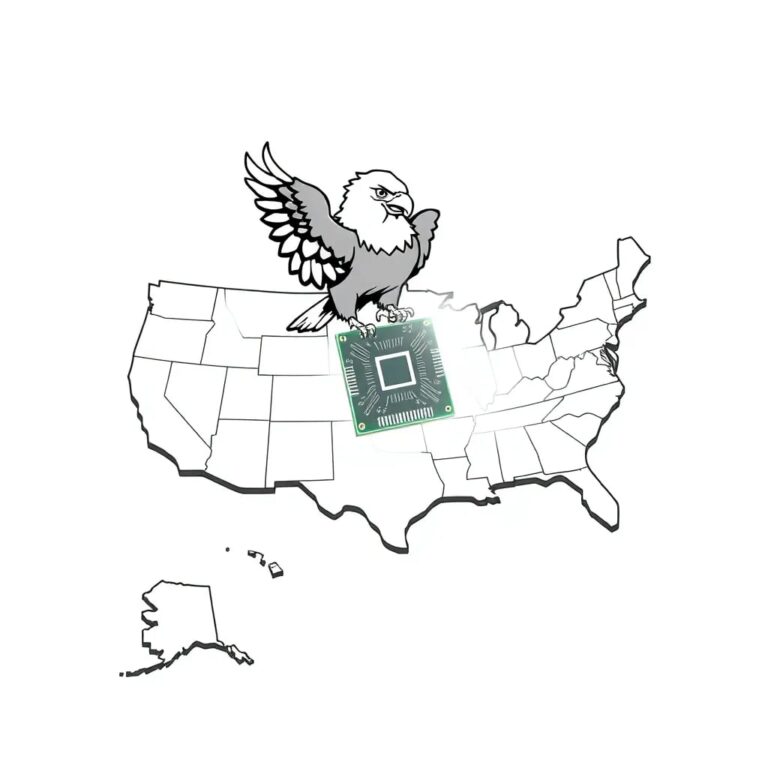
Executive Order Targets State AI Regulation Through Federal Preemption
On December 11, 2025, an executive order was signed asserting broad federal authority over the regulation of artificial intelligence (AI). This order directs federal agencies to discourage, challenge, or override state-level AI policies, marking a significant federal intervention into ongoing efforts to legislate in areas such as automated decision-making, algorithmic transparency, and data governance.
Key Provisions of the Executive Order
The executive order establishes a centralized federal framework for AI governance. It instructs federal agencies, including the Department of Justice, Department of Commerce, and the Federal Trade Commission (FTC), to identify state AI laws that are inconsistent with federal priorities. A newly created AI Litigation Task Force is authorized to pursue litigation against state AI laws deemed unconstitutional or overly burdensome.
Concerns are raised that divergent state regulations threaten national economic competitiveness. This includes laws that regulate across state lines, as interstate regulation is primarily the prerogative of the federal government. The order specifically targets state laws in Colorado and California that ban algorithmic discrimination, arguing these may skew outputs and deceive consumers.
Additionally, the order mandates that the Department of Commerce issue a report within 90 days identifying problematic state AI laws. This process may lead to restrictions on federal funds for states that do not comply. The report may also highlight state laws that promote AI innovation.
Executive branch agencies are required to assess their grant programs in consultation with the special advisor for AI and cryptocurrency. They must consider conditioning grants on states either not enacting onerous AI legislation or not enforcing existing laws during periods of federal funding.
Furthermore, the FTC is tasked with providing guidance on circumstances where state mandates related to AI outputs may be preempted under federal law.
Background
The issue of state preemption has been a contentious topic in Congress throughout 2025. Senator Ted Cruz proposed a 10-year moratorium on the enforcement of state AI laws within the One Big Beautiful Bill Act. However, this amendment was defeated by a nearly unanimous vote in July. Similar proposals were also excluded from the FY26 National Defense Authorization Act (NDAA), prompting the administration to pursue executive action.
Conclusion
Stakeholders are advised to closely monitor the implementation of this executive order. This includes potential litigation from the Department of Justice, the identification of targeted state laws by the Department of Commerce, forthcoming FTC guidance, and any congressional or state legal challenges. These actions will significantly influence the evolving AI regulatory landscape.







