
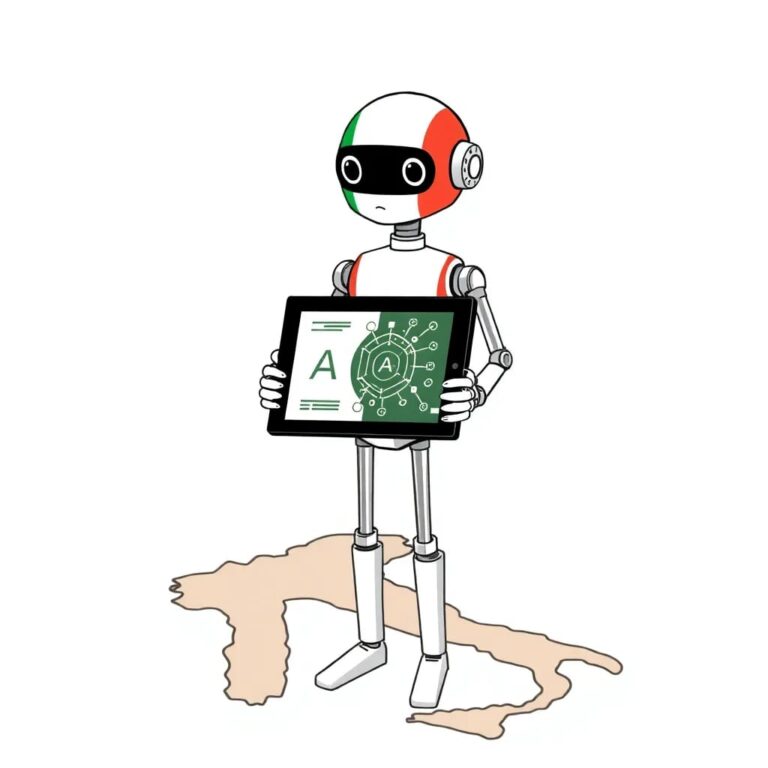
Understanding Italy’s AI Law: A Guide for U.S. Companies
On September 17, 2025, Italy set a precedent as the first member state of the European Union to enact comprehensive legislation regarding artificial intelligence with the approval of Law No. 132/2025, commonly referred to as Italy’s AI Law. This law came into effect on October 10, 2025.
Implications for U.S. Companies
U.S. companies operating within Italy or serving Italian customers are now required to comply not only with the overarching EU AI Act obligations but also with specific mandates outlined in Italy’s AI Law. This dual requirement emphasizes the importance of understanding both EU-wide regulations and localized legal frameworks.
Key Requirements of the AI Law
The law introduces several critical stipulations:
- Criminal Penalties: The law imposes immediate and enforceable criminal penalties for non-compliance.
- Designated Authorities: National authorities are assigned to oversee the implementation and enforcement of the law.
- Sector-Specific Mandates: Different sectors may have unique obligations that companies must adhere to.
Risk Management and Compliance
AI operators must focus on:
- Risk Management: Identifying and mitigating potential risks associated with AI deployment.
- Transparency: Ensuring that AI operations are clear and understandable to stakeholders.
- Data Governance: Establishing protocols for managing data responsibly and legally.
Additionally, companies must be aware of the broad definitions and responsibilities that the Italian legislation encompasses.
Documentation and Record-Keeping
Compliance also necessitates rigorous documentation and record-keeping practices regarding the AI systems that companies implement. This requirement ensures accountability and facilitates regulatory oversight.
Prohibited Applications and Ongoing Obligations
Furthermore, the law explicitly prohibits certain AI applications that are classified as posing unacceptable risks. To operate legally, AI providers must:
- Obtain national designations for their AI systems.
- Notify relevant authorities of any new AI systems launched.
- Engage in ongoing risk assessment and mitigation efforts.
In conclusion, the introduction of Italy’s AI Law marks a significant shift in the regulatory landscape for artificial intelligence, particularly for U.S. companies. Understanding these requirements is crucial for compliance and successful operation in the Italian market.







