
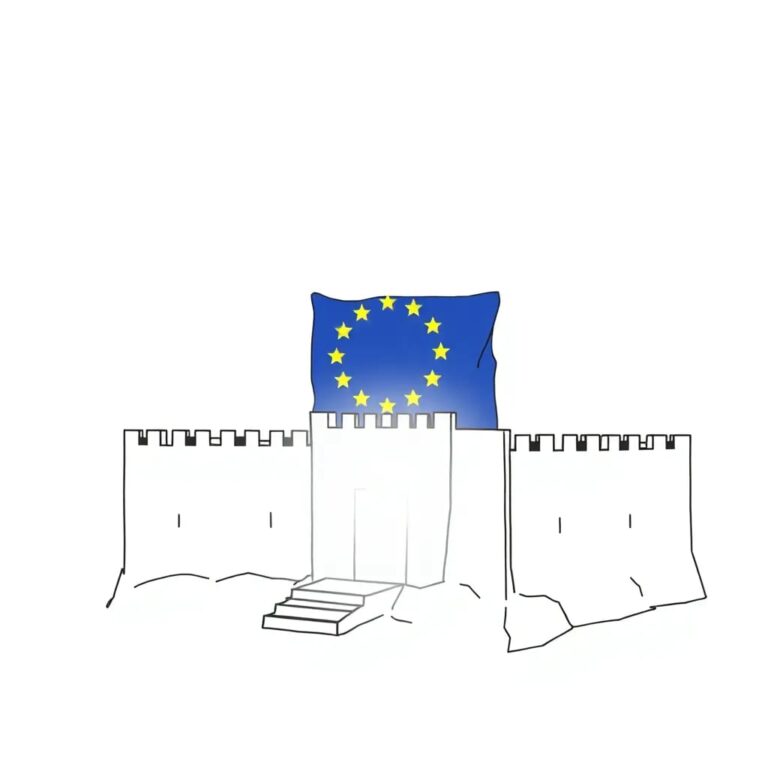
CM.com and VOLT Build Sovereign AI Environment for Europe
CM.com is partnering with VOLT to leverage its AI infrastructure to provide tailored solutions for sectors requiring data sovereignty. This collaboration aims to equip banks, insurers, government agencies, and healthcare institutions with modern IT solutions that adhere to European regulations.
Integration of AI Infrastructure
The partnership will combine VOLT’s AI data centers, including the upcoming AI Gigafactory in Rotterdam, which boasts a powerful GPU infrastructure, with CM.com’s AI application platform. This integration will facilitate organizations in developing, training, and scaling AI applications in compliance with European regulations.
CEO Insights
CM.com CEO Jeroen van Glabbeek emphasizes that the new solution draws inspiration from existing frameworks like the German Delos Cloud and the Open Telekom Cloud. Central to this initiative are the promises of data sovereignty, compliance, and energy efficiency, which align with the principles of these projects. The services from this collaboration are expected to be rolled out later this year.
From Cloud-First to Control-First
Van Glabbeek notes that risks related to data, legislation, and reliance on foreign technology are significant barriers to innovation. By creating an integrated European AI infrastructure that combines hardware, infrastructure, and AI software, the partners aim to enable the safe and responsible application of AI at scale.
Architectural Framework
VOLT’s architecture consists of five infrastructural layers:
- Hardware: The physical data centers.
- Compute & GPU Layer: The computing power.
- Orchestration, AI Models, and Services: The platform’s functionalities.
- Security and Compliance Layer: Ensuring regulatory adherence and data protection.
This last layer encompasses various regulations, such as GDPR compliance and ESG reporting, alongside actual security measures like direct fiber optic connections to customers to ensure that the data center infrastructure is part of the protected corporate network.
Relevance and Challenges
The combination of ambitious AI infrastructure and compliance resources is increasingly pertinent. While the potential of AI has not yet been fully realized, there are signs of maturity in its deployment, including multi-agent systems and best practices that improve efficiency and reduce error sensitivity.
However, establishing sovereign architectures presents challenges. Potential customers may find it difficult to devise an exit strategy for the combined solution. Although the Delos Cloud and Open Telekom Cloud serve as benchmarks, viable sovereign cloud options with European or national origins are still scarce. Providing a mature solution without relying on American hyperscalers remains a significant undertaking.







