
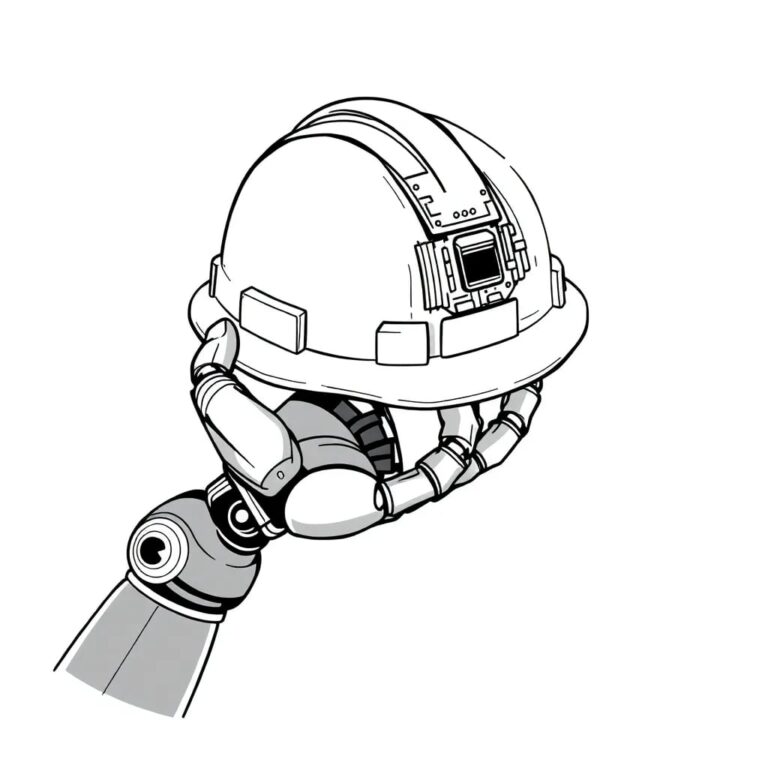
AI Is Already Shaping Workers’ Compensation and Responsibility Has Not Disappeared
The MedLegal Professor Technology Lab has introduced the EEE Responsible AI Standard with a mission to Educate, Empower, and Elevate the understanding of artificial intelligence (AI) in the context of workers’ compensation.
Introduction to AI in Workers’ Compensation
Artificial intelligence has subtly integrated itself into the workers’ compensation sector, often without the awareness of many professionals. This integration did not come with grand announcements or formal rollouts; instead, it entered quietly through software updates, new features, and automated functionalities within trusted systems.
AI’s influence on decision-making is profound, primarily by shaping how information is presented rather than making decisions outright. For instance, if you are using modern claims software, electronic medical records, or automated documentation tools, AI is likely influencing your workflow.
The EEE Responsible AI Standard
This article forms part of a series grounded in the essential principle that as AI becomes embedded in professional systems, these systems must:
- Educate professionals about AI’s influence on judgment.
- Empower them to take active responsibility for decisions.
- Elevate accountability as technology shapes outcomes.
The aim is not to instill fear regarding AI but to promote responsible governance. Awareness is the first step towards understanding the implications of AI in professional settings.
Current Applications of AI in Workers’ Compensation
AI manifests in various ways within workers’ compensation, often as:
- Automatically generated summaries
- Suggested language in documentation
- Flags that highlight specific issues
- Systems that prioritize or sort claims
- Tools aiding in drafting communications or notes
- Automated reminders, follow-ups, or responses
These features may not be labeled as AI but are designed to analyze information and influence what professionals see, which is critical since they rely heavily on this information to make informed decisions.
The Influence on Decision-Making
There is a common misconception that AI’s role is negligible as long as humans make the final decisions. However, decisions are often shaped long before they reach that stage. For example, when a system summarizes a medical record, that summary can dictate what a professional focuses on during their review.
This influence is particularly significant in workers’ compensation, affecting decisions related to medical care, benefits, and administrative actions.
The Sensitivity of Workers’ Compensation to AI Integration
Decisions in workers’ compensation are rarely isolated; they build on one another. Each note or summary can influence subsequent actions and judgments, especially in circumstances where injured workers are navigating health concerns and income disruptions. Decisions made hastily, or based on incomplete information, can have serious repercussions.
Shifting Assumptions in Oversight
Traditionally, the assumption was that human involvement guarantees oversight. This belief is no longer valid when information is shaped before it reaches the decision-maker. Organizations must now consider:
- Where automation is shaping decisions
- Who is responsible for verifying outputs
- How to identify when crucial information is missing
Neglecting these questions does not eliminate responsibility; it only postpones accountability.
Embracing Technology Responsibly
This discussion is not a call to resist AI technology. When used responsibly, AI can alleviate administrative burdens, manage workloads, and support consistency within an often demanding system. However, it is crucial to remember that tools influencing professional judgment do not replace professional responsibility.
Efficiency does not excuse negligence, and automation does not absolve individuals of their duties.
Future Directions
This article marks the beginning of a series exploring how AI is quietly reshaping workers’ compensation and what responsible oversight entails. Future discussions will cover:
- Where AI appears in everyday workflows
- How it influences decisions without being obvious
- Why human responsibility remains crucial
- What it means to maintain control as automation increases
Conclusion
As we move into 2026, the principles of responsible AI become increasingly relevant. The MedLegal Technology Lab aims to clarify the role of AI in workers’ compensation, ensuring that professional judgment, ethical responsibility, and the principles of accountability remain intact as technology evolves.







