
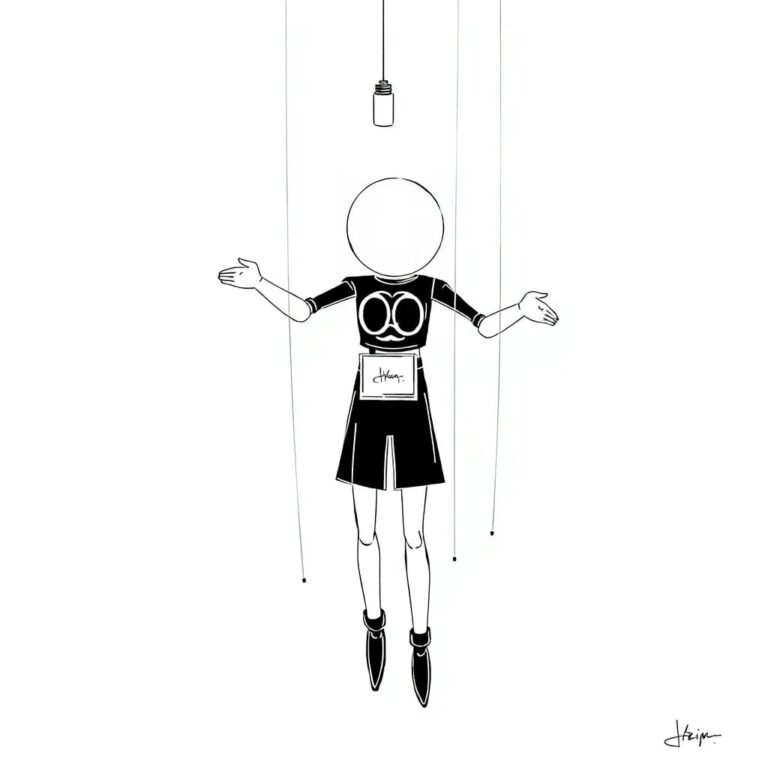
New York’s New AI Guardrails on AI-Generated Performers and Postmortem Digital Replicas
The recent legislative developments in New York regarding artificial intelligence (AI) have raised important questions for institutions of higher education. These new guardrails aim to regulate the use of AI in generating performers and creating digital replicas of individuals who have passed away. As the field of AI continues to evolve, it is essential for educational institutions to understand the implications of these regulations.
The Importance of AI Regulations
With the increasing prevalence of AI in various industries, including entertainment and media, the need for clear guidelines has become evident. The New York regulations specifically target the ethical concerns surrounding the creation and use of digital replicas, particularly in how they may affect the rights of individuals and their legacies.
Key Features of the Regulations
The new regulations encompass a range of provisions designed to protect both performers and individuals whose likenesses may be digitally replicated. Key features include:
- Consent Requirements: Any use of an AI-generated performer or digital replica must be accompanied by explicit consent from the individual or their estate.
- Transparency Obligations: Institutions must disclose the use of AI-generated content to audiences, ensuring that viewers are aware they are engaging with digital replicas.
- Accountability Measures: There will be mechanisms in place to hold creators and institutions accountable for misuse of digital representations.
Implications for Higher Education
Educational institutions must prepare to navigate these new regulations effectively. This includes:
- Curriculum Development: Programs related to AI and digital media should incorporate teachings on ethics and legal compliance.
- Research Considerations: Faculty and students engaging in AI research must be aware of the legal implications of their work, particularly in creative fields.
- Collaboration with Legal Experts: Institutions should collaborate with legal professionals to ensure compliance with the new laws and to educate students about their rights and responsibilities.
Conclusion
As New York implements these important regulations on AI-generated performers and postmortem digital replicas, it is crucial for institutions of higher education to stay informed and adapt accordingly. By embracing ethical practices and fostering an understanding of legal obligations, educational institutions can lead the way in responsible AI usage.







