
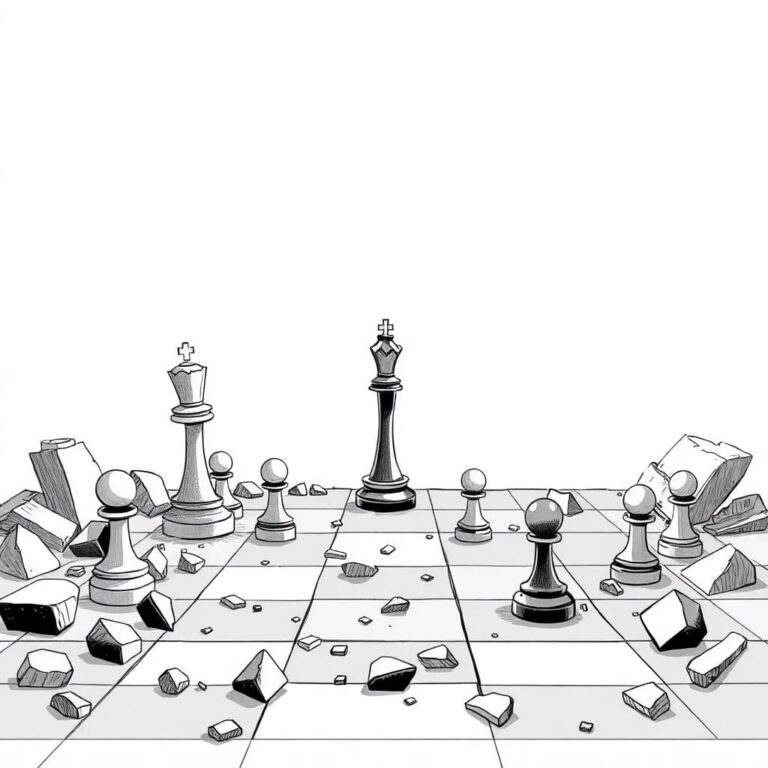
Soumitra Dutta’s AI Governance Insights Find Relevance in the Current War-Like Crisis
As the world seems to be on the brink of a third world war, the evolving technology that is artificial intelligence stands at the crux of this situation. It has always been cited as a force that will shape the future of global security. Soumitra Dutta, a former dean at Oxford’s Said Business School, views AI as his “baby,” having studied and researched this subject for many years.
Dutta emphasizes the necessity for an international governing body to regulate AI technology, especially during vulnerable moments like the ongoing conflicts between Iran and the USA-Israel. He warns that without such governance, the potential for world powers to exploit AI could undermine human values.
How Ethical Is It To Leverage AI In A War Strategy?
Over the past decade, the evolution of artificial intelligence in modern warfare has been significant. Almost every military is now experimenting with AI technology, realizing that it can enhance the accuracy of their targeting strategies. Military organizations have incorporated AI to analyze satellite images and determine possible enemy locations and incoming threats.
The effects of AI in real-time warfare are profound. For instance, commanding officers from the USA and Iran are now using AI to decode complex databases much faster than human analysts could. This has allowed for the deployment of unmanned drones equipped with missiles, raising ethical concerns about the innocent lives lost in these conflicts. Dutta insists that AI should favor humanity; however, the current situation indicates that ethical use of AI is becoming increasingly elusive.
How Reliable Is It To Use AI Data And What Is The Risk Involved?
While AI has emerged from research labs and into military applications, organizations must recognize that AI systems operate on algorithms fed with data. A glitch in these algorithms can mislead automated drones, causing unintended harm and destruction. Dutta has consistently warned that the flourishing of AI technology should not lead to societal trauma, a sentiment that is becoming increasingly relevant as reports emerge of innocent casualties in ongoing conflicts.
AI Must Be Handled with Responsibility
The questions Dutta posed about AI’s societal impact remain pressing today. How can society ensure that innovative technologies like artificial intelligence do not disrupt normalcy? With the casual use of AI in warfare, what measures are in place to maintain global harmony? World leaders must prioritize actions that prevent civilian casualties. It is disheartening to witness the careless application of AI in warfare, setting a dangerous precedent that Dutta had forewarned about. As international conflicts escalate, the specter of doomsday looms ever closer.







