
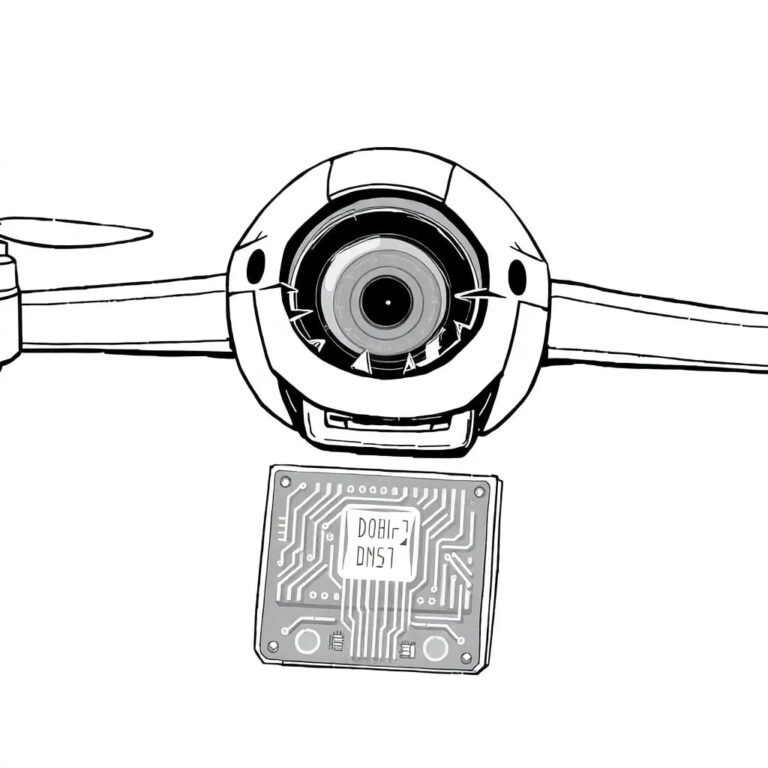
Applying AI to Aerial Images Raises Insurers’ Compliance Risks
The integration of Artificial Intelligence (AI) into the evaluation of aerial images presents significant compliance challenges for insurers. As AI becomes more prevalent in determining property coverage, it is essential for insurers to establish guidelines governing its application.
Regulatory Landscape
Regulations surrounding the use of aerial imagery can vary across states. Most states regulate this practice through regulations rather than formal laws. The National Association of Insurance Commissioners (NAIC) is currently assessing how AI is utilized in selecting aerial images for coverage decisions.
Guidelines for AI Use
Insurers adopting AI systems are beginning to set guidelines for its usage. Experts suggest focusing on “flagging” potential issues rather than relying solely on AI to interpret obscured aspects of a property. For example, distinguishing debris from waste versus the top of a tree requires human judgment.
Transparency Gaps
Advisors and agents have expressed concerns about risks associated with AI-driven aerial imagery decisions. A key issue is the transparency gap in many states regarding notifications about aerial data usage in policy determinations. Homeowners often remain unaware that such data influences their coverage, complicating disputes over unfavorable decisions.
Brad Spurgeon, a CEO from Texas City, noted that this lack of transparency is likely to grow as AI becomes more integral to image analysis. Without regulatory measures to build public trust, the risks linked to AI in insurance decisions could increase.
Accountability and Risk Management
Similar to other AI applications, insurers are responsible for the outcomes of AI-assisted decisions. Experts warn that even trained professionals can err. Therefore, insurers using third-party services for underwriting must be accountable for how the data is applied, regardless of whether outcomes are favorable or unfavorable.
Regulatory Initiatives
The NAIC has released a model bulletin on AI and plans to develop an AI Systems Evaluation Tool for regulatory inquiries. This initiative aims to ensure AI applications in insurance, especially concerning aerial imagery, do not violate trade practices or serve as proxies for unlawful biases.
In summary, as AI technology advances and integrates further into the insurance sector, strict guidelines and transparency measures are increasingly vital. Insurers need to carefully navigate these compliance risks to safeguard their interests and those of their clients.







