
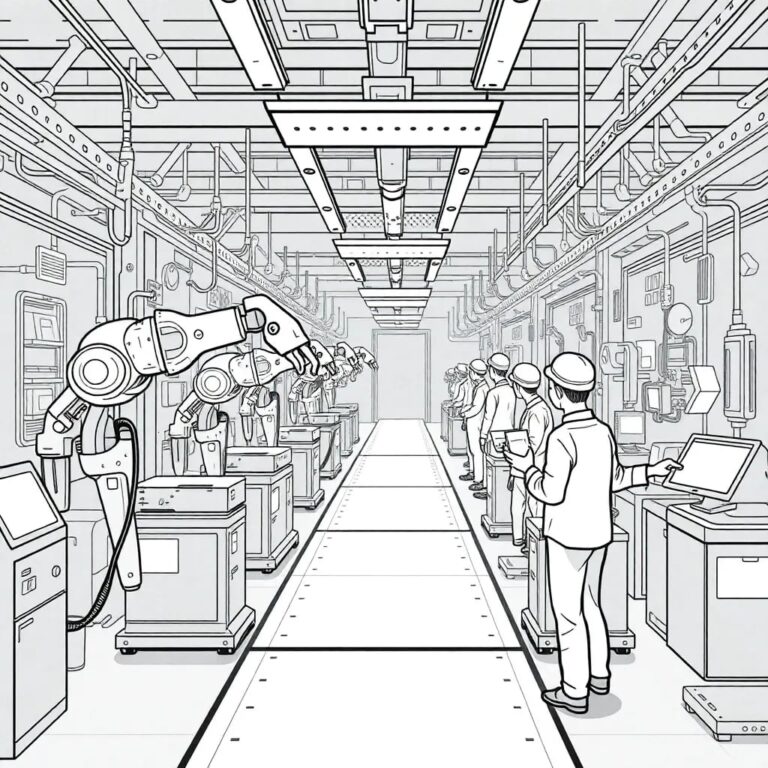
2026 AI in Manufacturing & Supply Chain Series – Overview
The 2026 series examines the rapid integration of artificial intelligence into manufacturing and supply‑chain operations, focusing on emerging legal risks, regulatory challenges, and strategic business implications.
Key Technological Shifts
Intelligent, Autonomous Systems
AI‑driven agents, predictive analytics, digital twins, and IoT connectivity enable real‑time decision‑making and efficiency gains across factories and logistics networks.
Data‑Intensive Environments
Massive data flows raise privacy, governance, and cybersecurity concerns, especially when legacy systems are retrofitted with AI capabilities.
Emerging Legal Risks
Liability from AI‑Generated Decisions
Errors in predictive maintenance, quality control, or production scheduling can trigger product‑liability claims, warranty disputes, and the need for robust risk‑mitigation clauses.
Regulatory Compliance
New AI‑specific regulations—such as the EU AI Act—impose strict requirements on high‑risk systems, with substantial penalties for non‑compliance.
Cybersecurity & Data Breaches
Increased connectivity amplifies exposure to cyber attacks, necessitating breach‑notification obligations and strategies against “shadow AI” deployments.
Contractual and Governance Considerations
AI Vendor Agreements
Contracts should address liability caps, indemnification, performance guarantees, audit rights, and dispute‑resolution mechanisms tailored to AI solutions.
Intellectual Property
Protecting AI‑assisted inventions involves navigating patentability challenges, trade‑secret safeguards, and data‑ownership disputes.
Workforce and Ethical Implications
Automation reshapes labor dynamics, prompting human‑AI collaboration policies and compliance with labor‑law standards. Transparency, sustainability, and ethical AI practices are becoming critical for reputation management.
Strategic Recommendations
Proactive Legal Planning
Organizations should integrate legal risk assessments early in AI adoption cycles, aligning technology roadmaps with regulatory forecasts.
Robust Governance Frameworks
Establish enterprise‑wide AI governance that includes compliance monitoring, risk allocation, and continuous oversight of AI system performance.
Risk‑Based Contracting
Tailor contractual terms to the specific AI application, ensuring clear allocation of liability, indemnity, and audit provisions.
Conclusion
The 2026 AI in Manufacturing & Supply Chain Series provides a comprehensive roadmap for navigating the intersecting challenges of technology, law, and business strategy. By anticipating liability exposures, adhering to evolving regulations, and implementing strong governance, industry leaders can unlock AI’s transformative potential while minimizing legal and operational risks.







